
Stop Wasting Creative Time on Clipping Paths
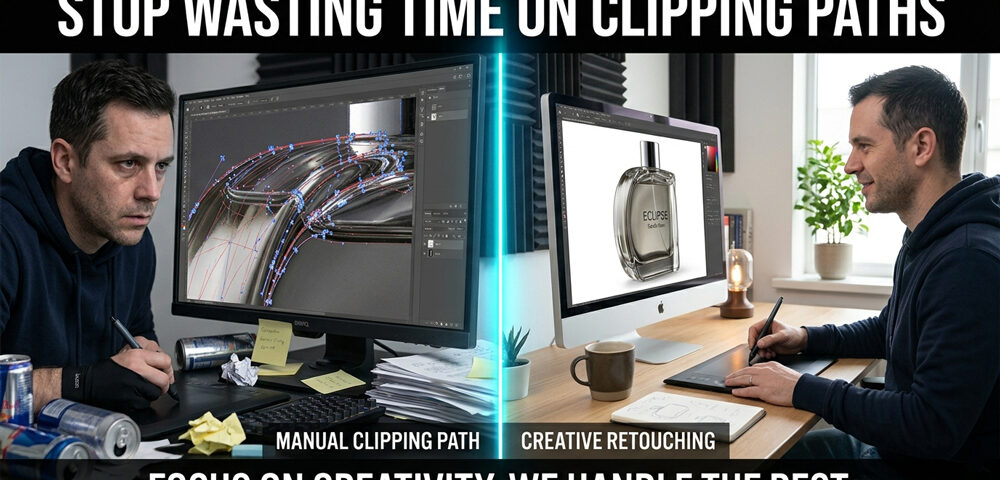
Most creative teams don’t have a talent problem. They have a time problem.
Photographers, post-production managers, and creative directors are hired for one reason: to create high-quality visuals that drive results. Not to sit for hours drawing clipping paths around products.
But that’s exactly what’s happening every day.
- Zoom in.
- Click.
- Adjust anchor points.
- Repeat.
It’s necessary work. But it’s not valuable work. And over time, it slowly kills both productivity and creativity.
Table of Contents
The Hidden Cost of Doing Everything In-House
On the surface, handling everything internally feels like control.
– You keep quality in your hands.
– You manage every detail.
– Nothing leaves your workflow.
But here’s the trade-off most teams don’t realize:
Every hour spent on repetitive editing is an hour not spent on creative output.
That means:
- Slower project delivery
- Fewer clients handled
- Lower overall output quality
- Burnout across the team
And the worst part?
Most of that time is spent on tasks that don’t require creative thinking.
- Clipping paths.
- Background removal.
- Basic cutouts.
These are precision tasks, not creative ones.
Yet highly skilled professionals are spending hours doing them.
Creativity vs. Production Work
There are two types of work in visual production:
1. Creative Work
- Concept development
- Lighting decisions
- Composition
- Retouching
- Color grading
- Final polish
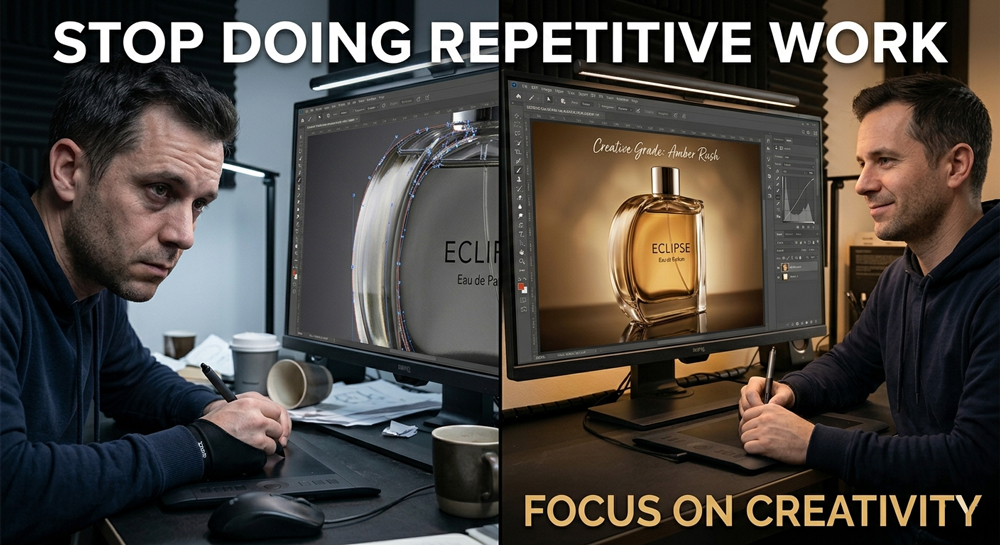
This is where your value is.
This is what clients pay for.
2. Production Work
- Clipping paths
- Background removal
- Basic masking
- Repetitive edits
This is necessary, but it doesn’t require creative judgment.
And here’s the problem:
Most teams mix both.
They treat everything as equally important.
It’s not.
What High-Performing Teams Do Differently
High-performing agencies and creative teams don’t try to do everything.
They separate creative work from production work.
They protect their time.
They focus on what moves the needle.
Instead of asking:
“How do we do this faster?”
They ask:
“Should we be doing this at all?”
Because the truth is simple:
If a task doesn’t require your creative brain,
it shouldn’t be taking your creative time.
The Bottleneck You Don’t See
Most teams think their bottleneck is:
- Client communication
- Revisions
- Deadlines
But in reality, it’s often hidden in post-production.
When projects scale, editing volume increases.
And suddenly:
- Turnaround slows down
- Deadlines get tighter
- Quality starts to vary
Not because the team isn’t skilled.
But because they’re overloaded with repetitive work.
The Shift That Changes Everything
When you remove low-value tasks from your workflow, everything changes.
You get:
- Faster turnaround times
- More consistent output
- Higher-quality creative work
- Less stress on your team
- More capacity for new projects
It’s not about working harder.
It’s about working on the right things.
What We Actually Do
We don’t replace your team.
We support it.
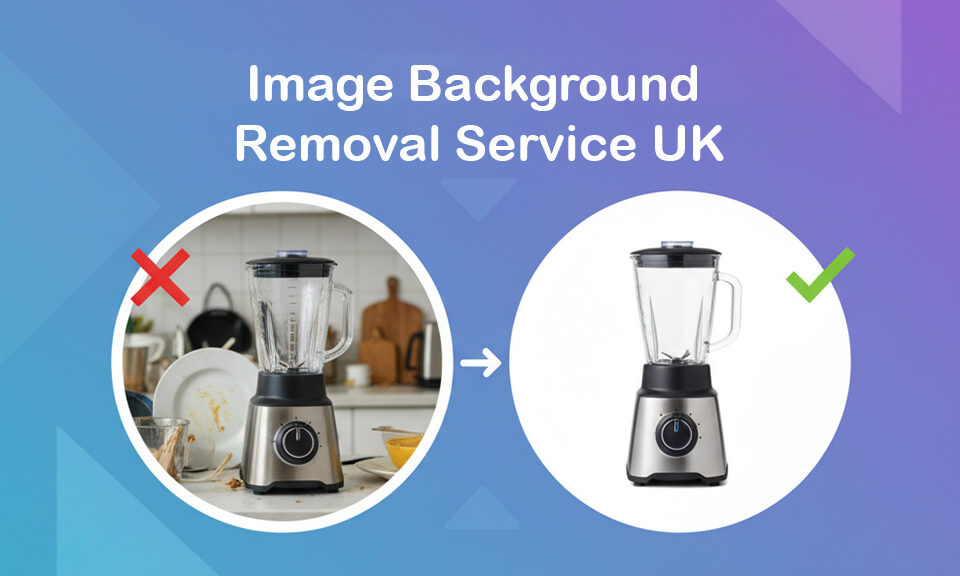
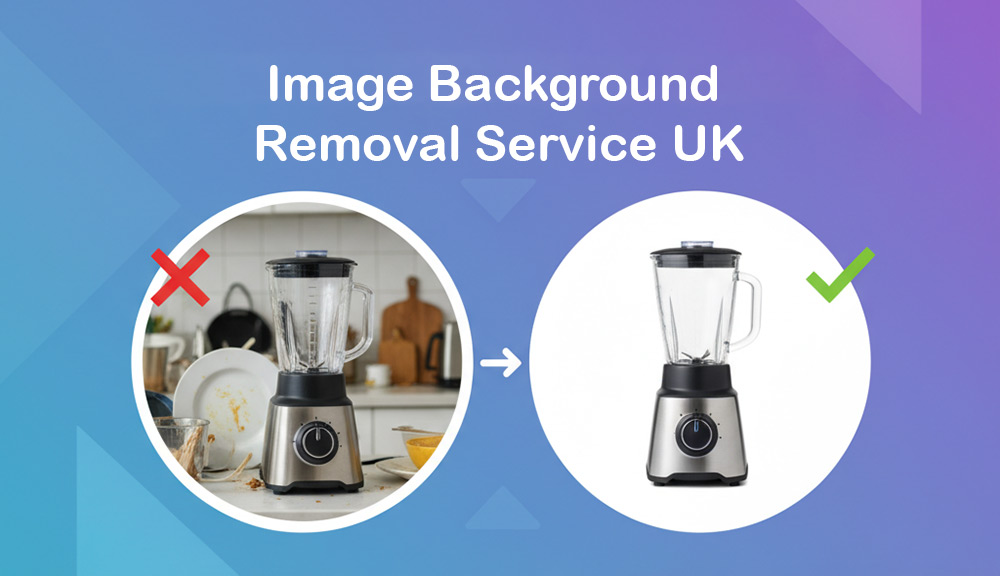
We handle the repetitive side of image editing:
- Clean, precise clipping paths
- Background removal
- Transparent background images
All delivered ready for your creative process.
So instead of spending hours creating paths,
your team can jump straight into:
- Retouching
- Color correction
- Final creative polish
The work that actually matters.
Built for Scale
Whether you’re handling:
- eCommerce product shoots
- Large campaign rollouts
- Bulk client work
Volume shouldn’t slow you down.
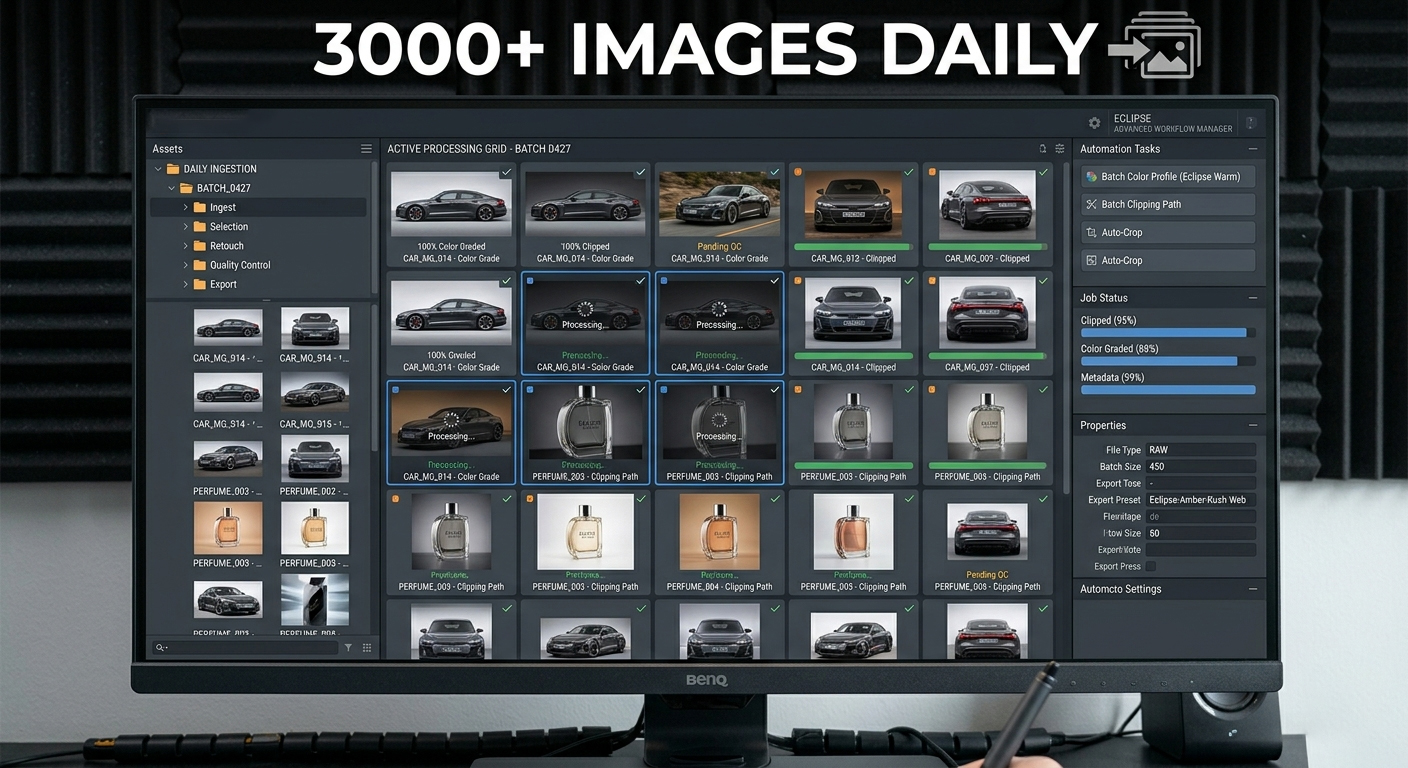
We process 3000+ images daily with consistent quality and fast turnaround.
That means:
- No backlog
- No delays
- No compromise on consistency
Just smooth workflow from start to finish.
Why This Matters More Than Ever
The demand for visual content is increasing.
- Faster delivery is expected.
- Higher quality is required.
- Consistency is non-negotiable.
At the same time, teams are expected to do more with the same resources.
That’s where most workflows break.
- Not because of lack of skill.
- But because of inefficient use of time.
The Real Advantage
Your competitive advantage isn’t just your creativity.
It’s how efficiently you can deliver that creativity.
If you spend less time on repetitive tasks,
you create more space for:
- Better ideas
- Better execution
- Better results
And that’s what clients notice.
A Simple Way to Test It
You don’t need to change your entire workflow overnight.
- Start small.
- Take a batch of images.
- Outsource just the clipping path work.
Then compare:
- Time saved
- Quality maintained
- Workflow speed
You’ll see the difference immediately.
Final Thought
You didn’t become a photographer or creative director to draw paths.
You did it to create.
So the real question is:
Are you spending your time where it matters most?
Or are you stuck doing work that someone else could handle just as well?
If you ever want to test how your workflow could look without the repetitive side, start with a small batch.
You might be surprised how much time you get back.