

Make Home Studio for Your Photography Business
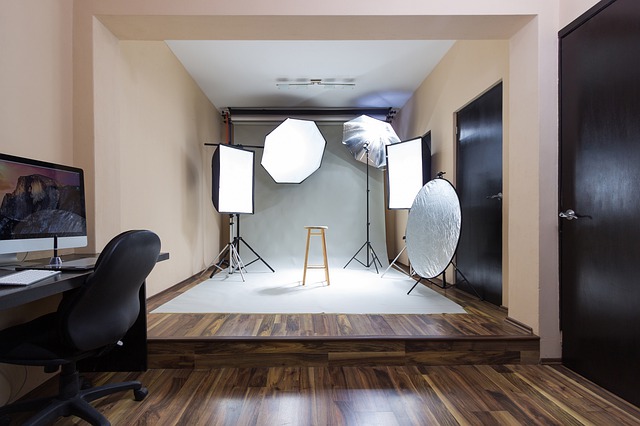
To become a great photographer, you need three things—passion, work habits, and working conditions. Your studio and equipment greatly determine the last part. Seeing as there are many instances where these two things are the same, it might be a good idea to investigate your options further. Things like light, the layout of the studio, and elements like a backdrop and workstation may directly affect your workflow as a photographer. Therefore, they need to be taken as seriously as possible.
Table of Contents
5 Tips for Taking Amazing Product Shots at Home
Here are several ways you can make a good home studio for your photography business, thus gaining the competitive edge you need. Moreover, these ideas are not likely to strain your budget.
1. Choose a suitable space
The first step lies in picking the right area of your home. It would be best if you started by selecting an adequate position for the room. Within your home, it should be the most remote of the areas. If you’re not living alone, the place can get noisy, and instead of silencing your roommates and family members inside of their own home, you might want to make it harder for you to hear them. The location of the room also matters. You want a room facing east, as this will get you the most sunlight throughout the day, especially for early risers. Lastly, the room must be big enough to get all your inventory.

Then, it would be best to consider the importance of organizing the space so that all your equipment fits. Sure, you can keep some necessary items in the storage but for the sake of convenience, it might be more efficient to have it all in one place. So, start thinking about all the equipment you need. The backdrop may also take some space, so count it in. Other than that, think about your workstation (something we’ll discuss later), mounts, racks, and more. Plan the entire layout before choosing a room.
Pro tip: the first task on this project lies in finding a suitable room. The place needs to be filled with natural light, in the remote part of the home and it needs to be big enough for the entire inventory of your studio. All traditional rules for setting up a home office apply.
2. Room preparation
The thing that you need to focus on is preparing the room for this purpose. You see, you need to start by painting your walls. This can be used as a backdrop (something we will discuss later). According to veteran house painters from Sydney, the color and the type of paint may determine the reflectiveness of the surfaces involved. Because you want to provide your clients (or yourself) calm and privacy, now might also be an excellent time to make the room soundproof. Adding acoustic panels to walls is one of the ways to do so.
Remember that the natural light might be both an ally and an enemy. It would help if you could control its influx, so your windows need some heavy curtains or quality blinders. This way, you can determine when you use natural light and when you should use an artificial alternative instead. Remember that you will spend hours in this studio editing when you’re not taking photos. Natural light has a particular effect on your productivity. This is why getting a room filled with sunlight is always worth it.
Pro tips: Preparation of the room comes in several stages. The place needs to be clean, the walls are properly painted and the natural influx of light under your control. Once you have all of this out of the way, you’re ready to proceed to the next step.
3. Make great backdrops
Even though a greenscreen can do quite a bit with the right editing tool, having a natural backdrop is still not outdated. Your clients’ facial expressions might also affect their ability to get into the mood. You see, there’s quite a bit of psychology here, too. A backdrop is something they can see, which is why it makes the immersion much easier. A photographer once took photos of people before and after she told them they were beautiful, and the result was quite impressive. In other words, the mindset of the people you’re photographing (and your mindset if you’re not photographing people) is what matters the most.
Making your backdrops is a simple and elegant idea. Moreover, it is pretty frugal and gives you one more opportunity to express yourself creatively. You’ll need to start with some basic, inexpensive materials. Book pages as wallpaper, exciting wallpapers, balloons, old fabric, and even old furniture pieces can do the trick. Then again, the paper is quite versatile and, depending on your origami skills could make quite an impact. The world is your oyster.
Pro tip: Making a backdrop is easy, simple to pull off and it’s something that will help your audience achieve a much higher level of immersion. It’s traditional and it works.
4. Home photography studio equipment
The next thing you need to invest in is photography studio equipment. First, list all you need and then make a range of options for every item. This will significantly help you with budgeting. You can either go with one high-end item or stick with more frugal options for the rest of the list. Remember that some of these items you buy last, while the rest will be replaced in months or years. You’re an entrepreneur now, so try to avoid the pitfall of overinvesting.

Regarding the specific items, it would be best if you had a camera, tripod, lights, light stands, modifiers, and reflectors. Therefore, these are the basics and should represent the core of your needs. It would be best if you also had a backdrop (something we’ve already discussed) and some hardware/software to edit the photography. Remember that you also need to leave some room in your budget for various online courses and other means of self-improvement. All in all, you have so much to look forward to.
Pro tip: Being systematic when organizing your photographing studio is a key thing. Sure, there are certain items you need but overspending them means overinvesting, which is a massive misstep by first-time entrepreneurs.
5. Your computer is one of your most essential tools
In 2021, most photography-related work takes place in the digital world. Some tools may need a particular hardware setup to run specific software. It is one of the mandatory steps you have to take to become a career photographer. There’s a long list of suitable and recommended computers by various photography experts. Apple Mac Mini M1, for instance, is a device that you can’t go wrong with. Acer Aspire TC and Microsoft Surface Studio 2 are two other options. The key is finding something that fits your performance requirements and budget. If you are looking for the best laptop suitable for Adobe Photoshop or other photo editing software, click here.
Your work is nowhere near complete until you also have a suitable software lineup. Everyone knows about Adobe Photoshop; this tool is one of the industry’s most iconic photo editing software options. However, it has numerous activities like Capture One Pro, Affinity Photo, and Skylum Luminar. Sure, there are also numerous free tools for you; however, if you intend to get involved in professional photography, you might want to consider paying for a premium license.
Pro tip: Getting yourself a great studio photography hardware and software are pivotal. Ideally, you will have everything in one spot, so consider assigning one corner of your studio to be the place for your office desk.
In conclusion
Even the best studios won’t matter unless you have what it takes to be a professional photographer. This industry is peculiar because it requires you to be an artist and an entrepreneur. You need to know how to make a business plan, maintain a budget, and see your photos as more than art. For a professional photographer, they are also a product. This is why they must be polished, taken in big enough quantity, and sold to the right bidder. An excellent home photography studio can help you achieve all three things with greater efficiency.